


Process efficiency through bioethanol production measurement solutions
Fermentation in bioethanol production plays a critical role in managing biological and thermal variability across fermentation and distillation. Even small deviations, such as a 0.1-0.2 pH drift, 2-3 °C temperature fluctuation, or inconsistent sugar feed rates can slow yeast metabolism and reduce ethanol formation efficiency. Stable conditions are critical because changes in nutrient availability or CO₂ off‑gas patterns often precede yield loss. These early shifts may reduce final ethanol titers by 3-7%.
Bioethanol production instrumentation plays a central role in maintaining predictable fermentation process. Continuous measurement of pH, temperature, feed flow and CO₂ off‑gas gives operators the ability to respond immediately to biological changes. Inline concentration or density monitoring further helps detect fermentation slowdown. Process visibility reduces variability across fermenters, supports microbial activity and improves overall ethanol yield.


Bioethanol fermentation
Enhance fermentation conversion with reliable process control
Keeping fermentation conditions within the optimal biological window is essential for maintaining consistent ethanol formation. Small deviations in pH, temperature or CO₂ evolution quickly impact microbial metabolism, sugar conversion behavior and downstream distillation load. Continuous measurement supports stable fermentation kinetics and reduces variability.
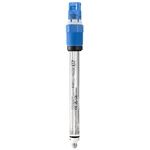
- Control pH to protect yeast metabolism: Stable pH ensures efficient sugar‑to‑ethanol conversion and prevents early metabolic drift. Memosens CPS11E and Liquiline CM42B provide robust inline pH control
- Regulate temperature for consistent reaction kinetics: Fast‑response temperature measurement avoids yeast stress, supports steady fermentation rates and prevents thermal imbalance. iTHERM TM131 delivers precise temperature tracking
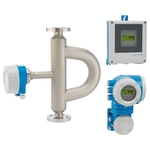
- Manage substrate and nutrient flows for uniform process performance: Accurate dosing of sugars and micronutrients keeps substrate availability steady, reducing variability in final ethanol concentration. Promass F 300 ensures precise feed control
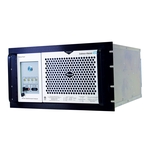
- Monitor CO₂ off‑gas composition to assess fermentation activity and gas treatment readiness: MCS300P process gas analyzer enables continuous off‑gas monitoring, supporting early detection of fermentation deviations and stable operation of subsequent CO₂ purification steps
- Track nutrient, metabolite and ethanol concentrations directly in the fermenter: In-line Raman Rxn4 analyzer captures multiple critical process parameters to ensure optimal yield and batch-to-batch consistency
Supporting services from Endress+Hauser
Endress+Hauser services enhance fermentation reliability through commissioning and calibration. In addition, verification with Heartbeat Technology provides documented reporting without interrupting the process.


Bioethanol distillation
Increase distillation efficiency with controlled column operation
Distillation performance depends on stable thermal and hydraulic behavior across trays or packing. Even small shifts in temperature, pressure or internal flows can raise steam demand, reduce separation efficiency or cause fluctuations in ethanol purity. Continuous monitoring strengthens column predictability and reduces energy losses.
- Track column temperature to maintain separation efficiency: Multipoint temperature monitoring highlights tray flooding, weeping or heat‑transfer imbalance. iTHERM TMS31 provides detailed thermal profiling.
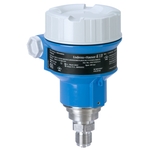
- Monitor pressure to sustain vapor–liquid equilibrium: Consistent column pressure prevents purity loss caused by volatility shifts or hydraulic disturbances. Cerabar PMP51B maintains precise pressure control.
- Control steam, reflux and condensate flows for balanced operation: Accurate flow measurement supports energy‑efficient distillation and balanced internal recycles. Prowirl F 200 (steam) and Promass F 500 (reflux, condensate) delivers robust measurement.
- Measure ethanol concentration to safeguard product quality: Inline density‑based analysis detects separation inefficiencies and ethanol slip. Promass Q 500 enables dependable purity assessment.
Supporting Services from Endress+Hauser
Digital sensor integration via PROFINET and EtherNet/IP enables seamless connection to the control system, supporting continuous data exchange, diagnostics and remote monitoring in bioethanol production.


Bioethanol production overview
Optimize purity and energy consumption with bioethanol measurement solutions
Final ethanol quality depends on the coordination of heat‑exchange performance, utility flows and dehydration stability. Variations in reboiler load, cooling water flow or dehydration behavior can elevate steam consumption and jeopardize purity. Accurate measurement across these points helps maintain energy efficiency and protect product quality.
- Measure reboiler and condenser temperatures to sustain energy balance: Reliable temperature measurement identifies fouling, insufficient cooling or excessive boil‑up. iTHERM TM131 ensures precise thermal performance.
- Monitor steam and cooling water flow to reveal energy losses: Appropriate utility flows reduce heat‑exchange inefficiency and avoid unnecessary steam usage. Prowirl F 200 (steam) and Promag W 300 (cooling water) provide robust measurements.
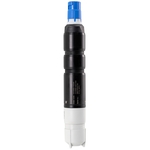
- Verify ethanol purity to maintain dehydration performance: Density and conductivity monitoring detect water carryover, contamination or instability in molecular‑sieve units. Promass Q 300 and Indumax CLS50D deliver inline purity assurance.
Low‑maintenance instrumentation improves plant availability and strengthens ROI while supporting energy‑efficient distillation control in bioethanol production.

Frequently asked questions about bioethanol measurement solutions
Real-time measurement is essential to ensure robust fermentation performance, efficient distillation and consistent ethanol quality. Below, you find answers to common questions about bioethanol measurement solutions.


